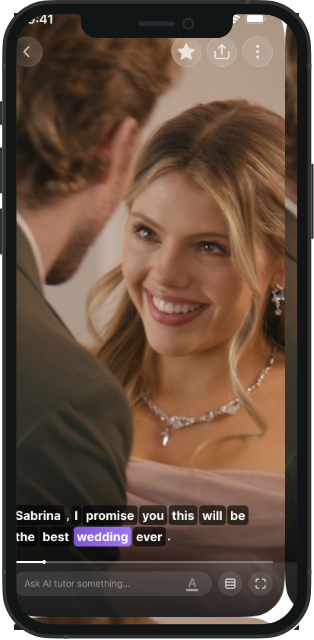
Dopamine detox + microdramas: can you still watch shows (and learn English) without breaking your reset?
A realistic guide to "dopamine detox"—what it means, what it doesn’t, and how to watch microdramas intentionally while learning English without endless scrolling.


The real question: are you detoxing dopamine, or detoxing the loop?
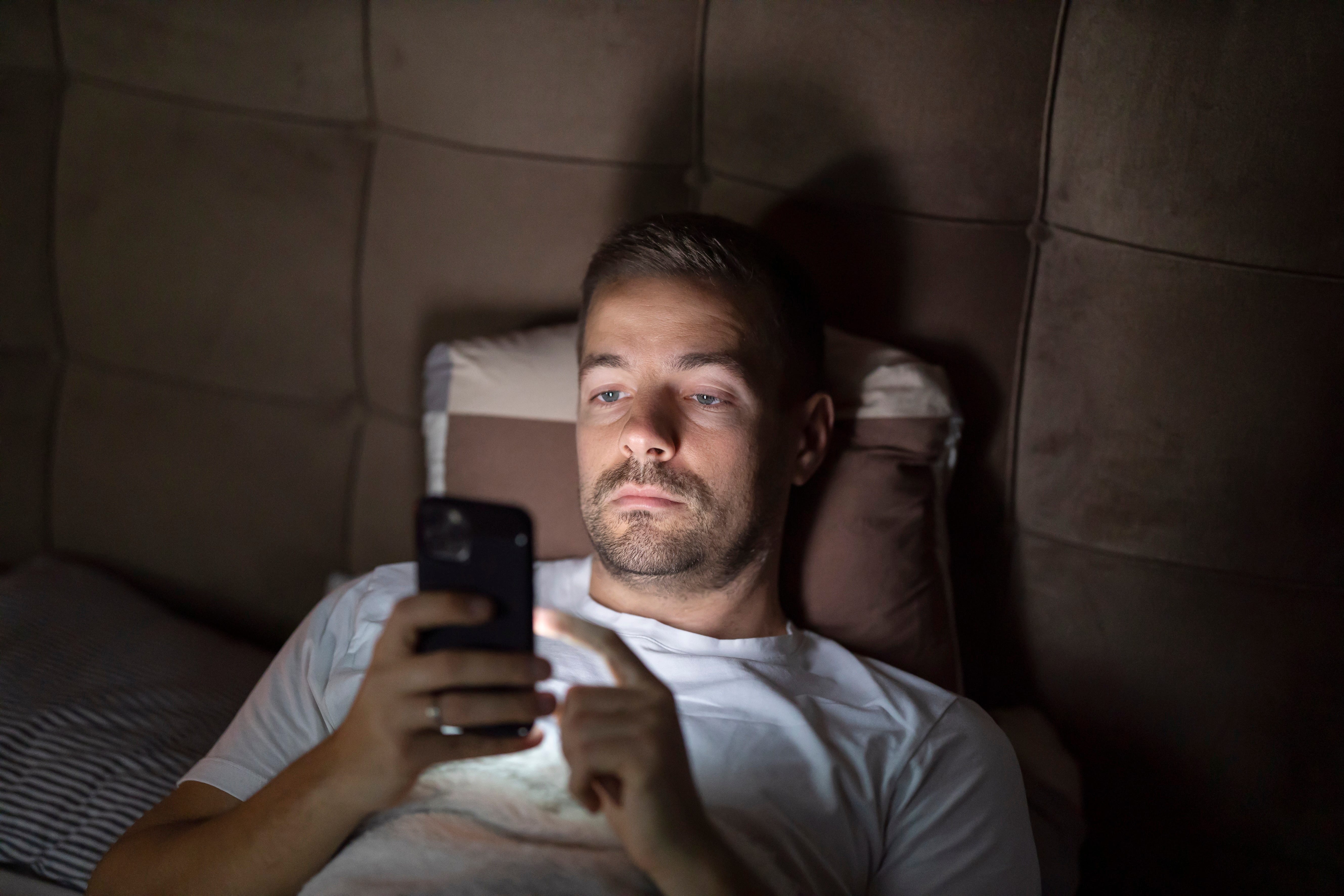
If you’ve been watching short videos or microdramas and thinking, “I need a dopamine detox,” you’re not alone.
Helpful reframe: you’re probably not trying to “reset dopamine.” You’re trying to reset a pattern:
- a tiny moment of boredom or stress
- you open your phone “just for a second”
- an infinite feed takes over
- you end up feeling more scattered than refreshed
Quick answer
You can watch microdramas during a dopamine detox if:
- you time-box it
- you choose the episode on purpose (not the feed)
- you stop when the container ends
- you’re not sacrificing sleep, work, or relationships to keep watching
TV vs scrolling: the difference that matters
- A movie has an end.
- A TV episode has an end.
- An infinite feed is designed not to end.
Microdramas sit in the middle: they can be a clean, finite episode—if you make them one.
So the question isn’t “Is TV allowed?” It’s: “Am I choosing the content—or is the algorithm choosing me?”
The 10-minute “microdrama, not a spiral” protocol
1) Choose the container before you press play
Pick one:
- 1 episode
- 10 minutes
- 1 short scene (replay allowed)
Set a timer. Write a one-line intention: “relax,” “English practice,” or “both.”
2) Add friction so you can stop
- Turn off autoplay
- Watch from a saved list (not the For You page)
- Use Focus mode / Do Not Disturb during the container
3) Add one “learning loop” (so it’s not pure stimulation)
After watching:
- write down 1–3 lines you’d actually say
- say each line out loud once
- write one sentence: “I would use this when ___.”
When you do this, the microdrama becomes practice, not just a dopamine loop.
How to tell if microdramas support your reset
Green flags
- You stop when the timer ends
- You feel calmer after
- You remember the plot (it wasn’t a blur)
- You don’t feel pulled to keep scrolling afterward
Yellow flags
- You keep negotiating: “one more episode”
- You feel restless when you stop
Red flags
- You routinely sacrifice sleep
- You feel worse after watching than before
- You can’t stop even when you want to
If you want a cleaner detox: 3 swaps that actually help
- Make nights boring on purpose: try a screen-free last hour and charge your phone outside your bedroom.
- Replace the trigger moment: swap one common trigger (waiting, stress, loneliness) with a 2-minute alternative (walk, stretch, water).
- Keep entertainment, remove the feed: pick one show on purpose. No infinite recommendations.
Where ReelFluent fits
If you’re going to watch microdramas anyway, ReelFluent’s angle is:
- short scenes with emotional context (easy to remember)
- phrases you can reuse in real life
- a routine you can finish in 10 minutes
Less algorithm. More intention. One small daily practice you feel good about after.
FAQ
Does watching TV break a dopamine detox?
Not necessarily. The bigger issue is infinite, compulsive consumption.
Are microdramas worse than Netflix?
They can be—if you watch via endless feeds and autoplay. If you time-box one chosen episode, they’re just short TV.
How do I learn English from short dramas without getting hooked?
Use a timer, remove autoplay, and add a learning loop (save 1–3 lines, speak them once, write one usage sentence).